Ho Ho Ho Funny: A Designer's Real-World Embroidery Review
When I first opened the files for Ho Ho Ho Funny, my initial reaction wasn't about the festive cheer; it was about the potential pitfalls of a design that looks simple on screen but demands precision under the needle. As someone who has spent years refining embroidery projects for clients and personal craft businesses, I know that the difference between a charming handmade product and a frustrating mess often lies in the details of the digital file before it ever hits the hoop. This review is not just a list of features; it is a practical breakdown of how this specific design performs when translated from a vector graphic into a tangible, stitched reality.
The First Stitch: Visual Personality and Mood
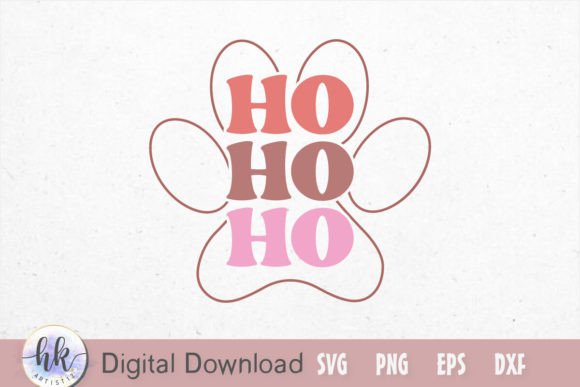
The title alone suggests a playful, lighthearted vibe, which is exactly what makes Ho Ho Ho Funny such an attractive option for holiday-themed crafting. The layout appears designed to capture attention without overwhelming the viewer, making it ideal for items where you want the message to pop immediately. For a designer looking to create a cohesive brand identity, the visual personality here strikes a balance between professional polish and whimsical charm. It feels like something that belongs on a high-quality apron or a cozy baby onesie rather than a cheap promotional item.
However, the "funny" aspect requires careful handling. If the lettering or any accompanying graphics are too intricate, they can get lost in the stitching process. In real-world scenarios, designs with complex curves or tiny text often struggle to maintain their integrity, especially on textured fabrics. My assessment of Ho Ho Ho Funny suggests it relies heavily on clean lines and clear spacing. This means it will shine brightly on smooth cottons and stable blends but might require adjustments if placed on heavy fleece or rough canvas without proper preparation.
Real-Life Application: From Digital File to Finished Product
Let's imagine a scenario where you are preparing for the holiday rush. You have an Etsy shop dedicated to custom gifts, and you receive an order for a personalized sweatshirt featuring a dog theme. You decide to use Ho Ho Ho Funny as the central element. The transition from your computer screen to the fabric is where the true test begins.
- Custom Apparel: On a standard sweatshirt, the design likely offers excellent coverage. However, if the stitch density is high, it could make the fabric feel stiff around the chest area. This is a crucial consideration for customers who value comfort alongside style.
- Baby Items: For a baby's Christmas outfit, the softness of the final product is paramount. If the design uses too much fill stitch, it might be too rigid for a newborn's delicate skin. You would need to verify the stitch count and perhaps adjust the tension to ensure a softer finish.
- Tote Bags and Aprons: These are classic candidates for machine embroidery designs. The durability of Ho Ho Ho Funny on these items depends on the thread colors chosen. High contrast threads will make the design stand out, while subtle tones might blend in too much on a dark tote bag.
I also considered using this design for an embroidered patch or a kitchen towel. For a patch, the edge definition is critical. If the file includes a satin stitch border, it must be tight enough to prevent fraying but loose enough to allow the patch to lay flat against a cap or jacket. On a tea towel, the design acts as a focal point, drawing the eye immediately to the festive message.
Where to Exercise Caution
Even the best design assets have limitations. There are specific situations where Ho Ho Ho Funny might not perform as well as you hope. Small hoop sizes are a common constraint; if the design is scaled down too much, the details may become indistinguishable, resulting in a muddy appearance. Similarly, textured fabrics like terry cloth or heavy denim can hide the intricacies of the stitching, making the design look less defined than intended.
Stretchy fabrics present another challenge. If you attempt to embroider this on a thin, stretchy material without adequate stabilizer, the fabric may pucker, distorting the letters and ruining the visual appeal. Dark fabrics require extra thought regarding thread color selection. If the background is black and the thread is dark, the design will vanish. Conversely, light thread on a dark background can sometimes cause the fabric to show through if the stitch density isn't sufficient.
Curved surfaces, such as caps, add another layer of complexity. While the design might look perfect on a flat mockup, the curvature of a hat can stretch the stitches, altering the proportions of the text. It is essential to test the design on a curved surface before committing to a large batch of production.
Impact on Brand Value and Customer Trust
In the world of small business and handmade products, the quality of your finished goods directly influences customer trust. A poorly executed embroidery project can lead to returns and negative reviews, damaging your reputation. Conversely, a well-executed design like Ho Ho Ho Funny can elevate the perceived value of your product significantly.
When a customer receives a personalized gift that features crisp, clear stitching, they associate that quality with your brand. They are more likely to recommend your services to others and return for future purchases. The professionalism of the embroidery reflects the care you put into your craft business. Whether you are selling boutique products at a craft fair or listing items on Etsy, the visual clarity of your designs is a key factor in buyer engagement.
Furthermore, the versatility of this design allows for creative marketing. You can create printable mockups showing the design on various products, giving potential buyers a clear idea of what they are purchasing. This transparency builds confidence and reduces hesitation, leading to higher conversion rates.
Practical Notes for the Design Professional
Before you start stitching, there are several technical steps you must take to ensure success. First, always test the design on scrap fabric. This allows you to check the stitch density, thread color contrast, and overall stability of the project. You should inspect small details closely to ensure they are legible after stitching. If the design includes tiny text or fine lines, consider enlarging it slightly to avoid loss of detail.
Using the correct stabilizer is non-negotiable. Depending on the fabric type, you may need cut-away, tear-away, or sticky-back stabilizers to support the design during and after the embroidery process. Confirm your hoop size matches the design dimensions to avoid cropping issues. Additionally, test the design in black and white mockups to see how it translates visually without the distraction of color.
If you plan to sell finished items or digital products, confirm the licensing terms of the Ho Ho Ho Funny file. Some designs are restricted to personal use only, while others allow commercial exploitation. Understanding these terms protects your business from legal complications. Finally, compare the design on both light and dark fabric backgrounds to ensure it maintains its impact across different product variations.
By approaching Ho Ho Ho Funny with a critical eye and a focus on technical execution, you can transform a simple digital file into a standout piece of art. Whether you are creating a unique holiday gift or expanding your line of handmade products, the right design choice combined with skilled craftsmanship leads to exceptional results.