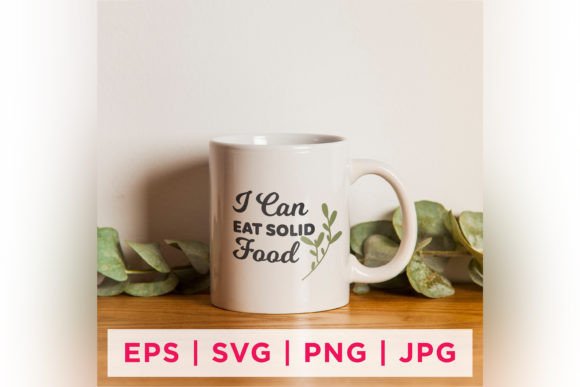
I Can Eat Solid Food Baby Milestone
When I first opened the file for I Can Eat Solid Food Baby Milestone, my immediate thought wasn't about the cute text, but about the practical application. As someone who has spent years refining embroidery files for commercial use and personal projects, I look past the initial visual appeal to see how a design will behave under the needle. This piece sits squarely in the Crafts and Graphics categories, but its true potential lies in its versatility as a machine embroidery design for documenting those fleeting early childhood moments.
The mood it creates is undeniably warm and celebratory. It captures that specific milestone where a baby transitions from purees to finger foods, a moment parents love to capture. The layout feels balanced, avoiding the cluttered look that often plagues text-heavy embroidery files. However, before you commit this to your shop inventory or your own nursery decor, you need to understand how it performs in real-world scenarios.
From Digital File to Finished Product
Imagine you are an Etsy seller preparing a batch of custom embroidered tote bags for a local baby shower market. You decide to feature I Can Eat Solid Food Baby Milestone on a natural canvas tote. The first thing you must consider is the thread color contrast. On a light beige bag, white or pastel threads might disappear, whereas a dark navy or black background would make the text pop with professional clarity. If you are working with a digital embroidery file intended for various backgrounds, always test the stitch density to ensure the design doesn't look washed out.
In a small business context, the value of a finished product often hinges on stitching clarity. A sloppy fill stitch can ruin the perceived quality of a handmade item. When I reviewed the structure of this design, I noted that the lettering requires a clean satin stitch or a well-executed running stitch depending on the font style chosen. If the stitch density is too high, the fabric might pucker, especially on thin materials like tea towels or lightweight cotton onesies. Conversely, if the density is too low, the design may lack definition, making it look cheap rather than artisanal.
Real-World Application Scenarios
This design isn't just for baby clothes; it fits seamlessly into a broader range of custom apparel and home goods. I envision it perfectly placed on a sweatshirt embroidery project for a family matching set, or perhaps centered on a kitchen towel for a new parent's housewarming gift. The phrase "I Can Eat Solid Food" adds a humorous touch that works well on aprons, turning a mundane kitchen task into a memorable keepsake.
For crafters looking to expand their craft business, this design is ideal for creating personalized gifts. Think of a boutique product line featuring embroidered patches attached to denim jackets or backpacks. The design acts as a conversation starter, allowing customers to express pride in their child's development. However, when placing this on curved surfaces like caps or hats, you must be strategic. The curvature of a cap can distort straight lines, so checking the hoop size relative to the garment shape is critical before mass production begins.
If you are creating holiday embroidery items, such as Christmas stockings or New Year's Eve party favors, this design offers a unique twist. Instead of generic seasonal greetings, it highlights a developmental milestone that happens during the winter months for many families. This specificity increases buyer engagement because it feels personal and relevant.
Where to Exercise Caution
While I Can Eat Solid Food Baby Milestone is versatile, there are specific situations where caution is required. Small hoop sizes can be tricky with text-heavy designs. If the letters are too close together or the font is intricate, a small hoop might force the machine to cut corners, resulting in lost detail. Always inspect small details on a scrap piece of fabric before committing to the final material.
Textured fabrics present another challenge. If you are embroidering on a thick fleece or a heavy corduroy, the stabilizer choice becomes paramount. Without adequate support, the fill stitch areas may sink into the fabric, creating a muddy appearance. Similarly, stretchy fabrics like jersey or spandex blends require a tear-away or cut-away stabilizer that matches the fabric's elasticity to prevent distortion after washing.
Dense stitch areas should also be monitored. If the design includes decorative accents or layered elements, ensure they don't create a stiff, uncomfortable spot on a baby's clothing. Infants have sensitive skin, and a heavily stitched patch can be irritating. For this reason, I recommend using softer stabilizers and lighter thread weights for garments that will be worn directly against the skin.
Fine print and tiny lettering are common pitfalls in digital product previews. Before listing this as a printable mockup or selling it as a design asset, verify that the smallest strokes are legible at actual size. Sometimes a design looks crisp on a screen but loses definition once stitched. Testing it in black and white mockups can help you gauge the contrast and readability without the distraction of color.
Professional Designer Notes for Success
To get the most out of I Can Eat Solid Food Baby Milestone, follow these practical steps. First, always test the design on scrap fabric first. This simple step saves time and money by revealing potential issues with thread tension or fabric puckering before you work on a customer's order.
Check thread color contrast rigorously. A design that looks great on a white background might fail miserably on a gray one. Review the thread colors provided in the file and compare them against your intended fabric choices. If the file uses standard colors, ensure you have equivalent shades in your own stash that offer sufficient contrast.
Confirm the hoop size requirements listed in the file metadata. Using a hoop that is too large for the design area can lead to unnecessary fabric movement, while a hoop that is too small might require multiple re-hooping, increasing the risk of misalignment. Use proper stabilizer based on the fabric weight; a stable foundation is the key to a professional finish.
Inspect small details closely. Look for any isolated stitches or tiny gaps that might break easily during washing. If the design includes satin stitch borders, ensure they are tight enough to cover the edges but not so tight that they pull the fabric inward.
Finally, check licensing terms carefully. If you plan to sell finished products featuring this design, confirm whether the license allows for commercial use. Many embroidery files come with restrictions on the number of units you can produce or prohibit resale of the digital file itself. Understanding these terms protects your small shop product business from legal issues.
By approaching I Can Eat Solid Food Baby Milestone with a critical eye and a focus on technical execution, you can transform a simple graphic into a high-value handmade product. Whether you are decorating a nursery pillow cover or creating a line of boutique branding items, this design has the potential to become a staple in your collection. Just remember: the difference between a good embroidery job and a great one often comes down to preparation, testing, and attention to detail.
As you move forward with your embroidery project, keep these considerations in mind. The goal is to create a finished product that not only looks beautiful but stands up to the rigors of daily life and frequent washing. With the right approach, I Can Eat Solid Food Baby Milestone will serve as a cherished reminder of growth, beautifully stitched into the fabric of your customers' memories.